
Anthropic Ships Sonnet 5 With Agentic Safety and Pricing Details
1 July 20265 min read
The experimental platform extends enterprise AI agents to purpose-built desk and wearable devices, signalling a possible shift beyond the traditional PC and smartphone interface.
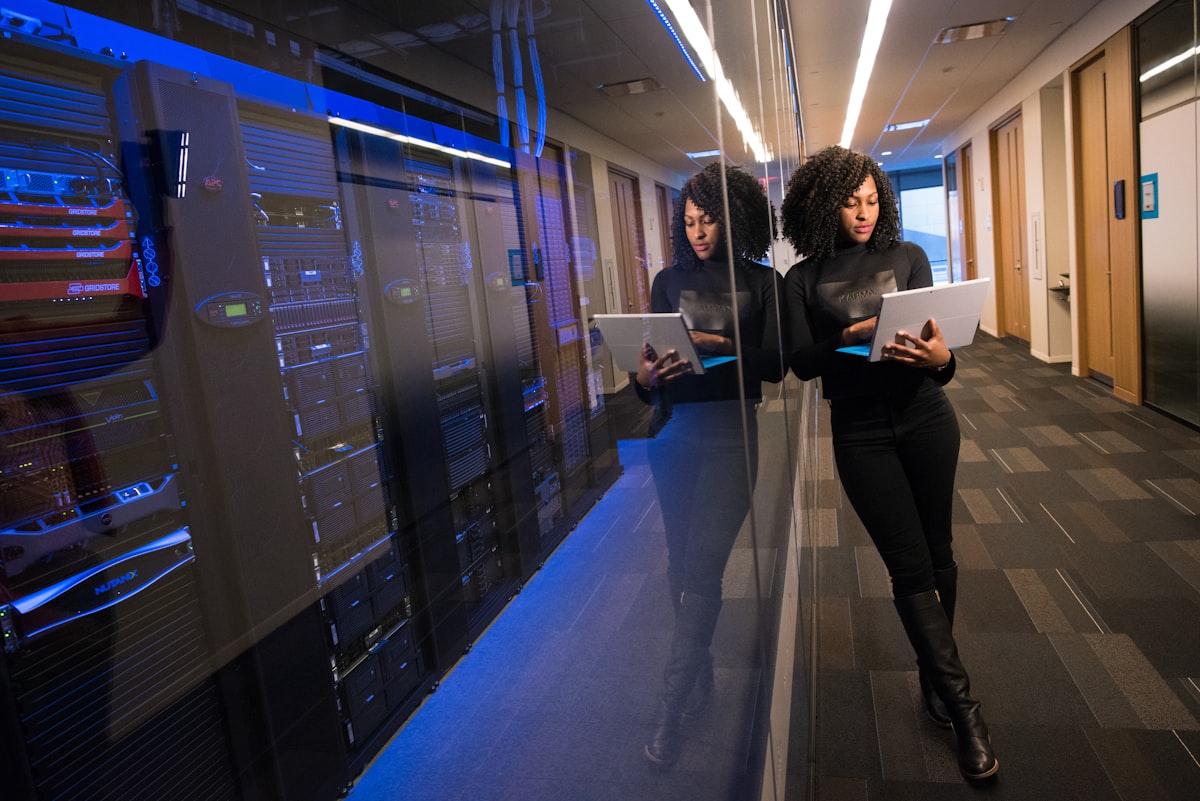
Illustrative image. Cedar S. Insights uses editorial stock photography; images do not depict specific events described in articles.
Microsoft used its Build 2026 developer conference to introduce Project Solara, a platform for what the company calls "agent-first" devices. The idea is to create hardware around AI assistants that understand context and perform tasks, rather than treating the assistant as another application running on a conventional computer.
Microsoft showed two reference concepts: a desk-based companion and a wearable badge intended for mobile or frontline work. The desk device uses a MediaTek system-on-chip, while Microsoft is also working with Qualcomm on hardware for the platform.
These are reference designs rather than finished Microsoft products for consumers. The company is inviting device makers and enterprise partners to explore specialized hardware for workplaces such as retail, healthcare and field service.
The larger technical proposition is that an AI agent could maintain context across cloud services and appear through different physical interfaces. A worker might speak to a wearable device, continue the task at a desk and receive a dynamically generated interface suited to the immediate job.
That model differs from the familiar app ecosystem. Smartphones and PCs generally require users to choose an application and operate within its menus. An agent-first system instead begins with the user's goal and attempts to coordinate the relevant services behind the scenes.
The concept carries obvious challenges. Businesses will need strong identity controls, auditable records of agent actions and clear limits on what an automated system may do. A device that continuously senses its surroundings may also generate employee-surveillance and privacy concerns. Reliability becomes particularly important when agents operate in healthcare, retail transactions or industrial environments.
Project Solara therefore matters less as a piece of hardware than as a signal of Microsoft's platform strategy. The company is preparing for a world in which AI agents move beyond browser tabs and chat windows into dedicated devices governed through enterprise infrastructure.
The dominant computing platform has historically controlled the relationship among users, developers and software distribution. If agents become the primary interface, that centre of gravity could move from app stores and operating-system menus toward identity, context, model access and orchestration. Microsoft already supplies many of those enterprise layers through Azure, Microsoft 365, Entra and its developer tools. Project Solara is an attempt to extend that position into new categories of hardware without requiring Microsoft to manufacture every device itself.
Our sourcing: Cedar S. Insights provides source-led editorial analysis. Reported company, institutional and regulatory claims are attributed to their original sources unless stated otherwise.
Corrections: If a material factual error is identified, Cedar S. Insights will update the relevant article and preserve the distinction between the corrected statement and supporting evidence.
Topics